Moissanite vs. Diamond: Why Western Buyers Are Choosing the Ethical Diamond Alternative in 2026
The global fine jewelry industry is undergoing a quiet but revolutionary transformation, especially in the United States, United Kingdom, and European Union. For over a century, diamonds have reigned as the undisputed king of engagement rings, luxury necklaces, and premium earrings. But in 2026, a new leader has emerged: moissanite. This extraordinary lab-created gemstone is not just a “budget alternative” to diamonds—it is a conscious, superior, and style-forward choice that aligns with the values, priorities, and lifestyles of modern Western consumers.
Today’s jewelry buyers in North America and Europe are no longer swayed by traditional marketing myths. They research, compare, and prioritize ethics, sustainability, durability, and real-world value over outdated status symbols. Moissanite has risen to dominance because it checks every box for the modern shopper: unrivaled sparkle, exceptional strength, ethical production, and accessible luxury. In this in-depth analysis, we explore the cultural shift behind the moissanite movement, break down the factual differences between moissanite and diamonds, and explain why this gemstone is redefining fine jewelry for a new generation.

The Great Jewelry Shift: How Western Consumer Values Changed Everything
To understand the rise of moissanite, we must first examine the dramatic shift in consumer behavior that has reshaped the European and American jewelry markets. Over the past decade, three core values have moved to the forefront of purchasing decisions:
1. Ethical Responsibility
Western buyers, particularly Millennials and Gen Z, refuse to support industries linked to unethical mining, labor exploitation, or environmental harm. The traditional diamond industry has long faced scrutiny over conflict mining, unsafe working conditions, and ecological damage. For modern consumers, wearing a diamond often carries a moral weight that no amount of sparkle can overcome. Moissanite, as a 100% lab-grown gemstone, eliminates these concerns entirely. It is conflict-free, cruelty-free, and created in controlled, sustainable environments—an non-negotiable feature for today’s conscious shoppers.
2. Sustainability and Eco-Consciousness
Climate action and environmental protection are central to Western culture in 2026. Diamond mining requires massive land disruption, water pollution, and carbon emissions. In contrast, moissanite production uses minimal resources, creates no waste, and leaves zero ecological footprint. For shoppers who prioritize green living, moissanite is the only logical choice for fine jewelry. This eco-friendly profile has made it a favorite among European markets, where sustainability laws and consumer expectations are among the strictest in the world.
3. Practical Luxury Over Status
Gone are the days when jewelry was solely a symbol of wealth. Today’s American and European buyers want luxury they can use, wear, and enjoy every day. They reject the idea of storing expensive diamonds in a safe for special occasions. Instead, they want pieces that are durable, versatile, and affordable enough to integrate into daily life. Moissanite delivers this practical luxury: it offers the look and feel of high-end diamonds without the fear of loss, damage, or financial overextension.
This triple shift—ethics, sustainability, practicality—has created the perfect landscape for moissanite to replace diamonds as the gemstone of choice. What was once a niche alternative is now the mainstream preference, with sales in the US and EU growing by over 40% annually since 2022.
Factual Comparison: Moissanite vs. Diamond (Beyond the Hype)
Many people still wonder: how do moissanite and diamonds really compare? The answer lies in scientific fact, not marketing. Below is an unbiased, data-driven comparison of the two gemstones across the categories that matter most to Western jewelry buyers:
Hardness and Durability
Durability is critical for everyday jewelry, from engagement rings worn daily to bracelets and earrings used for years. On the Mohs Hardness Scale:
• Diamond: 10 (the hardest natural substance)
• Moissanite: 9.25
Moissanite is the second-hardest gemstone on Earth, making it highly resistant to scratches, chips, and cracks. For all practical purposes, moissanite is equally durable to diamonds for daily wear. It easily outperforms sapphires, rubies, emeralds, and all other popular gemstones. There is no risk of damage from regular use, making it ideal for rings, bracelets, and active lifestyles.
Brilliance, Sparkle, and Fire
The most striking difference between moissanite and diamonds is their optical performance. A gemstone’s value lies in its ability to reflect light, and moissanite outperforms diamonds by every measure:
• Refractive Index: Moissanite (2.65–2.69) vs. Diamond (2.42)
• Dispersion (Fire): Moissanite has 2.5x more fire than diamonds
This means moissanite produces more sparkle, more color, and more visual brilliance than diamonds. In sunlight, indoor lighting, and evening settings, moissanite catches the eye far more dramatically. For Western shoppers who prioritize beauty and presence, this is a decisive advantage.
Color and Clarity
Premium moissanite is grown to be completely colorless, graded D–E–F on the diamond color scale—the highest possible grade. It is also internally flawless with minimal inclusions, matching the clarity of VVS1–VS1 diamonds. Unlike natural diamonds, which often have visible imperfections or yellow/brown tints, lab-grown moissanite offers consistent, perfect clarity every time. This uniformity is highly valued by American and European buyers who seek flawless, high-quality jewelry.
Value and Affordability
The price gap between moissanite and diamonds is staggering. A high-quality 1-carat moissanite gemstone costs 85–90% less than a comparable 1-carat natural diamond. This means Western buyers can own a 2-carat, 3-carat, or even 5-carat moissanite piece for the price of a small diamond. In a time of economic caution, this value proposition is impossible to ignore. Moissanite allows shoppers to own larger, more dramatic jewelry without sacrificing their budget.
Ethics and Origin
Diamonds are mined from the earth, with well-documented risks of conflict, labor abuse, and environmental harm. Moissanite is created in laboratories using advanced scientific processes. It requires no mining, no displacement of communities, and no destruction of ecosystems. For the ethical consumer, this is not a choice—it is a moral imperative. In Europe, where ESG (Environmental, Social, Governance) values are legally embedded in business, moissanite is rapidly becoming the only acceptable gemstone for retail jewelry.
Breaking the Myth: Moissanite Is Not a “Cheap Alternative”
One of the most persistent misconceptions about moissanite is that it is a “low-cost substitute” for diamonds. This myth is completely outdated and inaccurate for the 2026 market. In reality, moissanite is a premium, luxury gemstone in its own right—one that is chosen intentionally, not out of financial necessity.
Western fashion icons, celebrities, and luxury influencers now openly wear moissanite as a style statement, not a budget choice. High-end jewelry designers across Paris, London, New York, and Los Angeles now feature moissanite as their center stone of choice in couture collections. Moissanite is not “lesser” than diamonds—it is different. It offers a brighter, more colorful sparkle, a cleaner ethical profile, and a modern aesthetic that resonates far more with contemporary tastes.
Calling moissanite an “alternative” is like calling a electric car an “alternative” to gasoline cars. It is a newer, better, more advanced version of the same idea: luxury that fits the modern world.
Moissanite Across All Jewelry Categories: The Perfect Gem for Every Piece
Moissanite’s versatility is another reason it has taken over Western jewelry collections. It excels in every core category—rings, necklaces, earrings, and bracelets—offering consistent beauty and performance across all styles.
Moissanite Rings
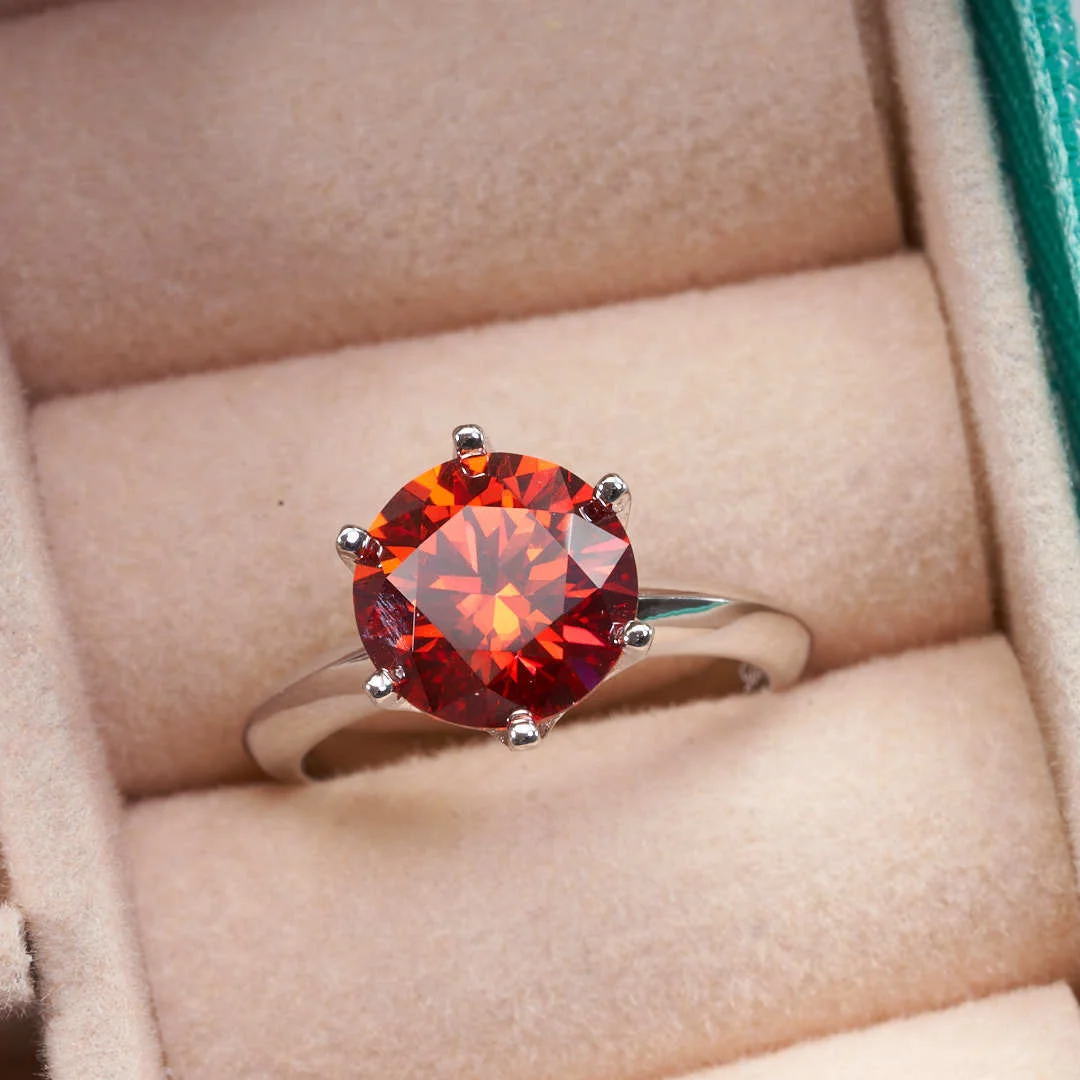
Engagement rings, wedding bands, and fashion rings are where moissanite truly shines. Its durability makes it ideal for daily wear, and its brilliance makes it the perfect symbol of love. European and American couples choose moissanite rings for their timeless beauty, ethical value, and budget-friendly luxury. From classic solitaires to vintage halos and modern oval cuts, moissanite elevates every ring design.
Moissanite Necklaces
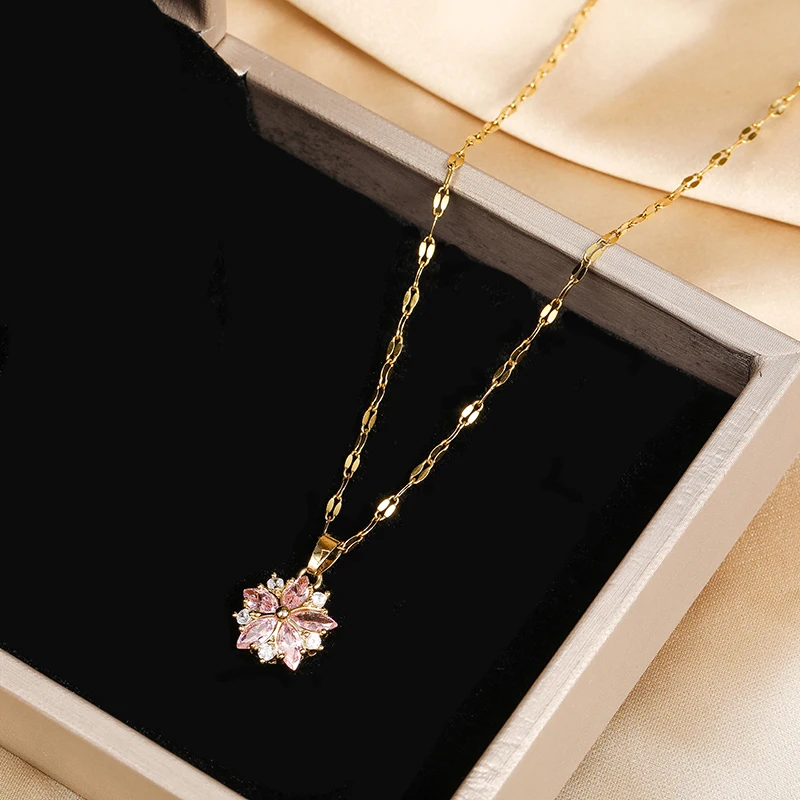
Pendants, tennis necklaces, layered chains, and statement necklaces all benefit from moissanite’s light-catching sparkle. A moissanite necklace offers continuous brilliance that outshines diamond pieces, making it a favorite for everyday wear and special occasions. Western shoppers love mixing metals—rose gold, white gold, yellow gold—with moissanite for personalized, stylish neckwear.
Moissanite Earrings
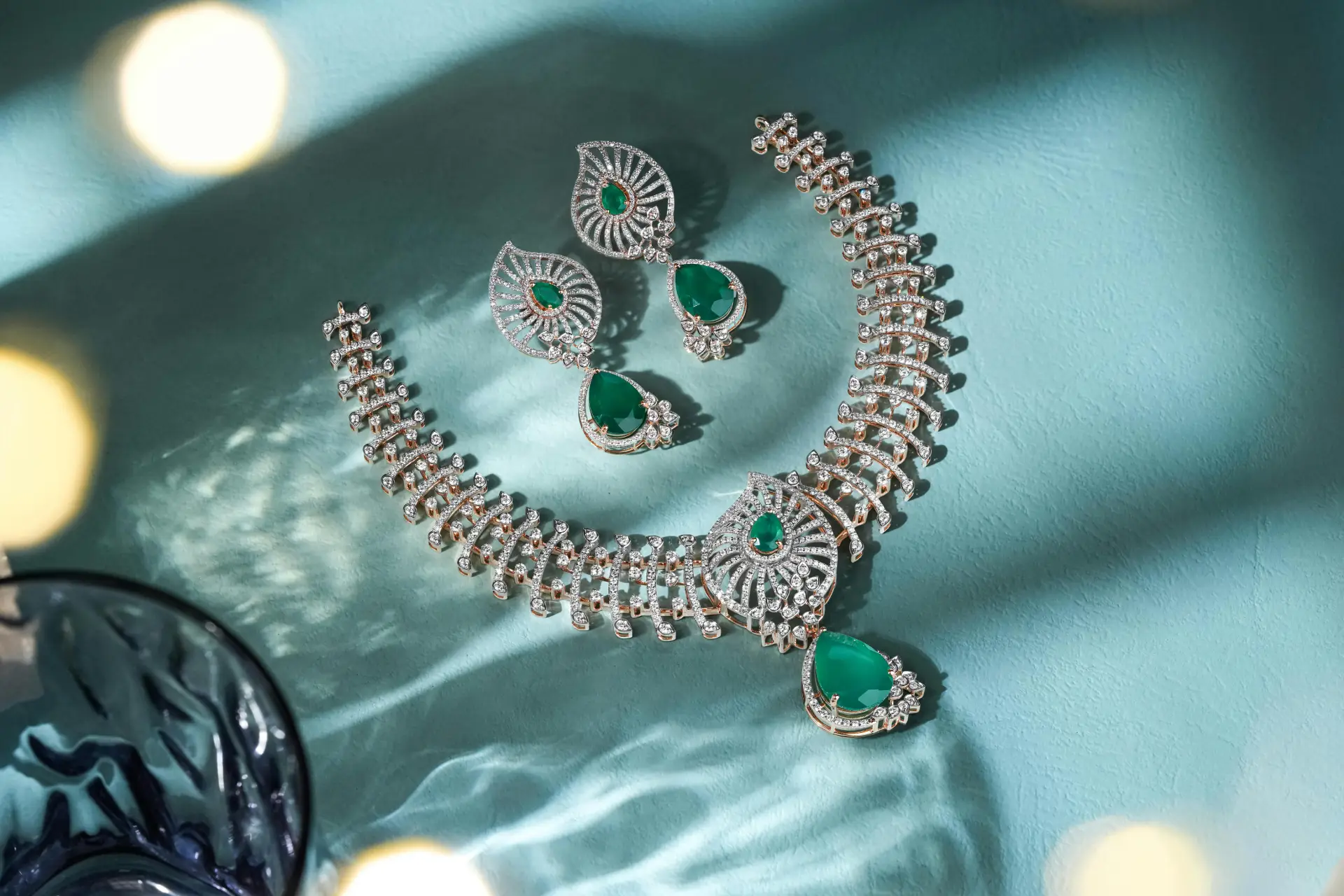
Studs, hoops, huggies, and drop earrings are elevated by moissanite’s unbeatable sparkle. Moissanite earrings are lightweight, durable, and safe for sensitive ears, making them the top choice for daily ear styling. In 2026, moissanite earrings are the most popular jewelry item in the US and EU, thanks to their versatility and glamour.
Moissanite Bracelets
Tennis bracelets, cuffs, and layered bracelets feature moissanite’s continuous sparkle beautifully. Moissanite bracelets are durable enough for everyday wear and elegant enough for formal events. The Western trend of wrist stacking has made moissanite bracelets a staple, as their affordable price allows shoppers to build curated, luxurious stacks.

Why Moissanite Will Continue to Dominate the Western Jewelry Market
The rise of moissanite is not a temporary trend—it is a permanent shift in the fine jewelry industry. Three key factors ensure that moissanite will remain the top choice for American and European buyers for decades to come:
1. Generational Change
Gen Z and Millennials are now the largest jewelry-buying demographics in the West. These generations prioritize ethics, sustainability, and authenticity above all else. They reject traditional diamond industry marketing and actively seek out lab-grown, eco-friendly options. As these generations age and become the primary buyers of engagement rings, wedding jewelry, and luxury pieces, moissanite will only grow in dominance.
2. Technological Advancements
Moissanite production technology continues to improve, offering even higher clarity, more precise cuts, and better color consistency. Each year, moissanite becomes more brilliant, more affordable, and more accessible. Diamond technology, by contrast, is stagnant—natural diamonds are limited by nature, with no way to improve their inherent properties.
3. Cultural Acceptance
Moissanite is no longer a “hidden” choice. It is openly celebrated in fashion media, celebrity culture, and mainstream retail. Major department stores across the US and EU now dedicate entire sections to moissanite jewelry. This cultural acceptance has removed any stigma and positioned moissanite as the modern, sophisticated choice for fine jewelry.
The Future of Jewelry Is Moissanite
In 2026, the question is no longer “why choose moissanite over diamonds?”—it is “why would anyone choose diamonds over moissanite?” For Western consumers, the answer is clear. Moissanite offers superior beauty, unmatched durability, perfect ethics, and exceptional value. It is a gemstone for the modern world: one that celebrates luxury without compromise, style without guilt, and beauty without limits.
The diamond era was defined by scarcity, tradition, and status. The moissanite era is defined by abundance, innovation, and consciousness. This is the future of fine jewelry, and it is already here. From engagement rings that symbolize ethical love to everyday earrings that add effortless sparkle, moissanite is more than a gemstone—it is a movement.
As the Western world continues to embrace conscious living and modern luxury, moissanite will remain at the heart of jewelry design, style, and culture. It is not just a replacement for diamonds; it is a reimagining of what fine jewelry can be: beautiful, responsible, and accessible to everyone who deserves to wear luxury every single day.